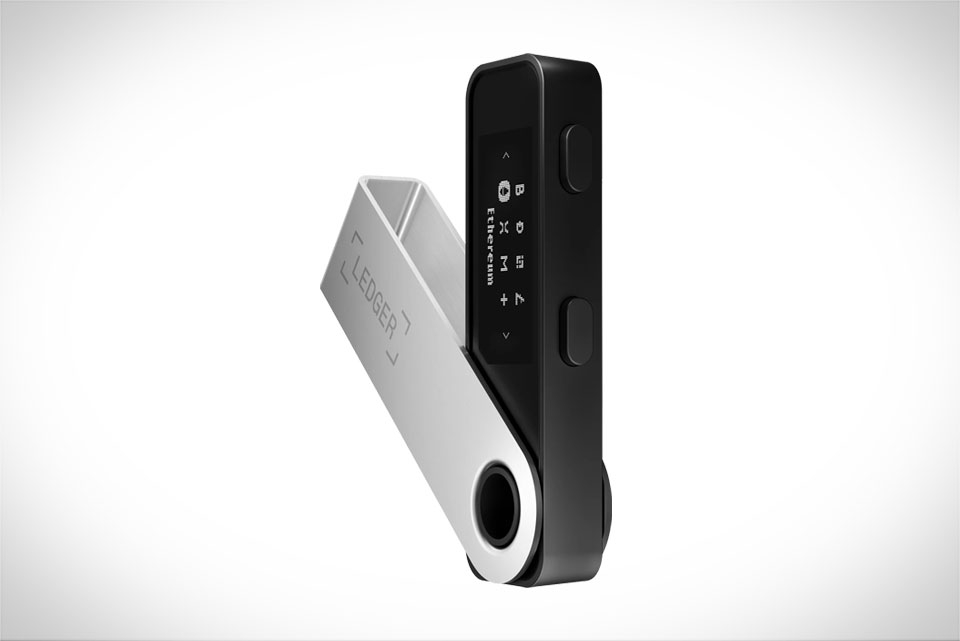
Analyzing Resistance to Power and Fault Injection Attacks
In the realm of cryptocurrency hardware wallets, the security provided by devices like Ledger is of utmost importance. One of the critical aspects of evaluating this security is understanding its resistance to side - channel attacks, specifically power analysis and fault injection testing.
Understanding Side - Channel Attacks
Side - channel attacks are a type of non - cryptographic attack that targets the physical implementation of a cryptographic system. Instead of directly attacking the cryptographic algorithms, these attacks exploit information leaked through physical characteristics such as power consumption, electromagnetic radiation, and execution time. Power analysis is a well - known side - channel attack. It involves monitoring the power consumption of a device during cryptographic operations. Since different instructions and operations consume different amounts of power, an attacker can analyze these power traces to extract sensitive information like cryptographic keys.
For example, in a simple scenario, if a device is performing an encryption operation, the power consumption will vary depending on the data being processed and the steps of the algorithm. An attacker with sophisticated equipment can measure these power fluctuations and use statistical analysis to infer details about the key. Fault injection attacks, on the other hand, involve introducing faults into the normal operation of a device. This can be done through methods like voltage glitching, clock glitching, or laser irradiation. By causing a fault at a specific point in a cryptographic operation, an attacker can force the device to produce incorrect results, which can then be used to deduce the secret key.
Power Analysis Testing on Ledger Devices
Ledger devices are designed with multiple layers of protection against power analysis attacks. The hardware is engineered to minimize the correlation between power consumption and the internal operations of the device. For instance, Ledger uses techniques such as power randomization. This means that the power consumption of the device is made to vary in a non - deterministic way during cryptographic operations. Even if an attacker tries to measure the power consumption, the random variations make it extremely difficult to extract meaningful information from the power traces.
Another approach is the use of shielding and filtering components. These components help to reduce the electromagnetic emissions from the device, which can also be a source of information leakage in power analysis attacks. In real - world testing, security researchers have conducted power analysis experiments on Ledger wallets. They have used high - precision power measurement equipment to record the power consumption of the device during key generation and encryption operations. Despite these efforts, Ledger devices have shown a high level of resistance. The power traces obtained are so noisy and random that it is nearly impossible to extract the key information through traditional power analysis techniques.
Fault Injection Testing and Ledger's Countermeasures
Fault injection testing is equally crucial in evaluating the security of Ledger devices. Ledger has implemented several countermeasures to prevent successful fault injection attacks. One of the main countermeasures is the use of error - detection and correction codes. These codes are embedded in the data and operations of the device. If a fault is introduced during an operation, the error - detection code can detect the presence of the fault, and the error - correction code can attempt to correct it or trigger a security mechanism such as resetting the device.
Moreover, Ledger devices have built - in sensors that can detect abnormal physical conditions. For example, a voltage sensor can detect sudden changes in the power supply voltage, which could be a sign of a voltage - glitching attack. When such abnormal conditions are detected, the device can immediately halt its operations and protect the sensitive data stored inside. In a case study, security experts attempted to perform fault injection attacks on a Ledger device using laser irradiation. The device's built - in sensors detected the abnormal light intensity and triggered a security response, preventing the attacker from obtaining any sensitive information.
In conclusion, Ledger's side - channel attack resistance, as demonstrated through power analysis and fault injection testing, is a result of careful hardware design and the implementation of multiple security countermeasures. These measures ensure that the device can withstand sophisticated attacks and protect the users' cryptocurrency assets.