An In - depth Look at the Protocol's Security and Limits
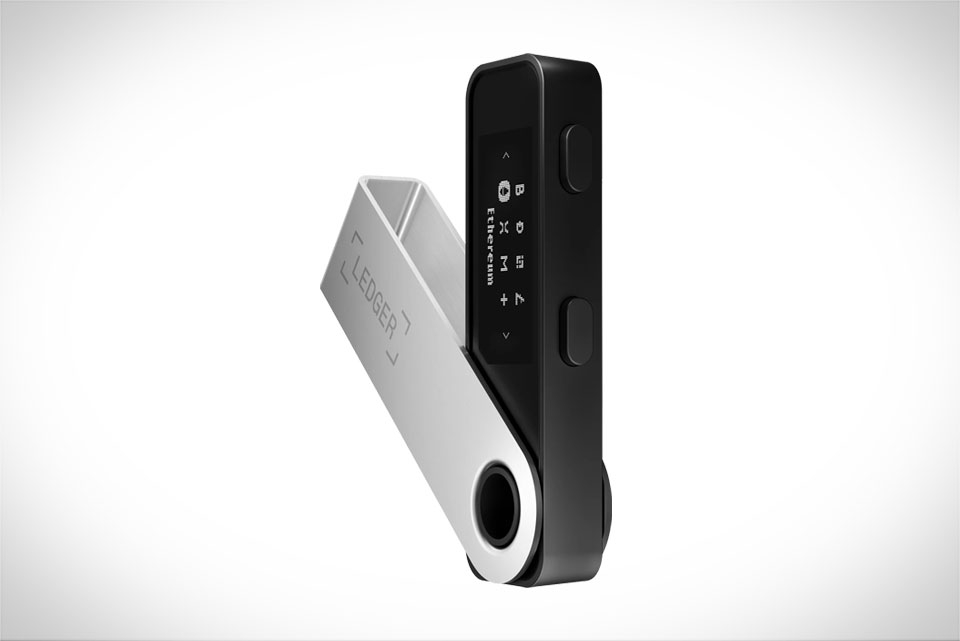
The Ledger Nano X is a well - known hardware wallet for cryptocurrencies, and its Bluetooth Low Energy (BLE) protocol plays a crucial role in its functionality. This article delves into the security analysis and limitations of the Ledger Nano X BLE protocol.
Security Features of the Ledger Nano X BLE Protocol
The Ledger Nano X BLE protocol incorporates several security features to protect users' digital assets. One of the primary security measures is encryption. The data transmitted between the Ledger Nano X device and the paired smartphone or other compatible devices is encrypted using advanced cryptographic algorithms. For example, it typically uses AES - 256 encryption, which is widely recognized for its high - level security. This encryption ensures that even if an attacker intercepts the data, they cannot decipher it without the correct encryption key.
Another important security feature is device pairing. Before any communication can occur over the BLE protocol, the Ledger Nano X and the connected device must go through a pairing process. This process involves the exchange of unique identifiers and authentication codes. Only after successful pairing can the two devices establish a secure connection. For instance, when a user first pairs their Ledger Nano X with their smartphone, they need to confirm the pairing on both the device's screen and the smartphone app. This two - factor confirmation adds an extra layer of security, preventing unauthorized devices from connecting to the wallet.
Moreover, the Ledger Nano X has a built - in secure element. This is a dedicated hardware component that stores private keys and performs cryptographic operations. It is isolated from the rest of the device's system, making it extremely difficult for malware or attackers to access the sensitive information stored within. The secure element ensures that even if the BLE connection is compromised, the private keys remain safe.
Potential Security Risks
Despite the robust security features, the Ledger Nano X BLE protocol is not without its risks. One of the significant risks is the possibility of a man - in - the - middle (MITM) attack. In a MITM attack, an attacker intercepts the communication between the Ledger Nano X and the connected device. They can then manipulate the data being transmitted, potentially tricking the user into authorizing unauthorized transactions. For example, an attacker could modify the transaction amount and recipient address while the data is in transit. Although the encryption in the BLE protocol makes it difficult, if an attacker manages to find a vulnerability in the encryption or the pairing process, they could execute a successful MITM attack.
Another risk is related to Bluetooth vulnerabilities. Bluetooth technology itself has had a history of security flaws. For instance, there have been cases where attackers could exploit Bluetooth bugs to gain unauthorized access to paired devices. If the Ledger Nano X's BLE implementation has a flaw related to a known or unknown Bluetooth vulnerability, it could be exploited by an attacker. This could lead to the theft of private keys or the unauthorized execution of transactions.
Additionally, human error can also pose a significant security risk. If a user pairs their Ledger Nano X with an unauthorized or compromised device, it can expose the wallet to potential threats. For example, if a user accidentally pairs their wallet with a public device in a coffee shop that has malware installed, the malware could potentially steal the device's pairing information and gain access to the wallet.
Limitations of the Ledger Nano X BLE Protocol
One of the main limitations of the Ledger Nano X BLE protocol is its range. Bluetooth Low Energy has a relatively short range compared to other wireless communication technologies. Typically, the effective range of a BLE connection is around 10 - 20 meters in an open - air environment. This can be a problem for users who need to use their wallet while being at a greater distance from their connected device. For example, if a user wants to check their wallet balance or authorize a transaction while walking around a large building, the short range of the BLE connection may prevent them from doing so.
Another limitation is the power consumption. Although Bluetooth Low Energy is designed to be energy - efficient, the continuous use of the BLE protocol on the Ledger Nano X can still drain the device's battery. This is especially true if the device is frequently paired with other devices and is in a state of constant communication. For users who rely on their Ledger Nano X for regular cryptocurrency management, the need to frequently recharge the device can be inconvenient.
Furthermore, the BLE protocol's compatibility can also be a limitation. Not all devices support the specific version of Bluetooth Low Energy used by the Ledger Nano X. This can restrict the number of devices that a user can pair with their wallet. For example, some older smartphones or tablets may not be able to establish a connection with the Ledger Nano X due to incompatible Bluetooth versions, limiting the user's flexibility in using the wallet.